Helping to implement teaching that works with the brain, not against it.
Practical, brain-based professional learning that gives teachers strategies they can weave into their existing curriculum, and use in their classrooms tomorrow.
Meet Dr. Frye
Practical, brain-based professional learning that gives teachers strategies they can weave into their existing curriculum, and use in their classrooms tomorrow.
Meet Dr. Frye
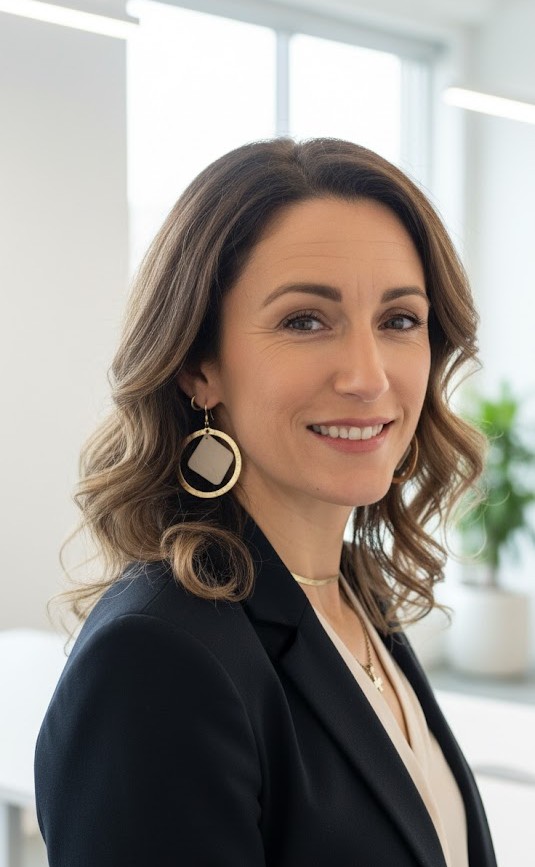
About Dr. Frye
I teach and supervise future teachers as a lecturer and clinical supervisor in the School of Education at California State University, Chico. My doctoral research at Johns Hopkins focused on teacher workload and the intersection of mind, brain, and teaching. I bring my extensive classroom experience in both public and private schools, and knowledge of the science of learning directly to schools with the goal of making the implementation of these practices fun and easy to use.
I share this work wherever teachers are, from single staff rooms and district trainings to regional leadership institutes, and national conferences.
I don't come in with a binder full of theory. I come in with strategies that are simple, evidence-based, and ready for Monday morning.
Contact Dr. Frye Save My Contact InfoWorkshops & Presentations
Whether you're a teacher looking to transform your practice or a student ready to take ownership of your learning, there's a session designed for you.
Featured Workshop
Discover the science behind how students actually learn in this engaging workshop focused on brain-based educational strategies. We will dive into the Learning Processing Theory to understand how information moves from sensory input to long-term memory, while examining key cognitive processes like synaptic pruning and memory consolidation. Educators will walk away with practical, neuroscience-backed techniques to strengthen students' neural connections, such as capitalizing on procedural memory through routine and practice, utilizing effortful recall and reflection methods, and designing lessons that strategically manage cognitive load and sensory interference. Ultimately, this session equips teachers with the tools to foster neuroplasticity, build upon prior knowledge, and maximize lasting comprehension in the classroom.
What You'll Learn
Teacher Workshop
In this transformative session, we will shift our focus from ineffective, passive review methods, like simply rereading notes, to the science-backed strategy of active retrieval. By asking students to actively pull information out of their memory, we create a "desirable difficulty" where the mental struggle of searching and reconstructing actually thickens and reinforces neural connections. Educators will explore practical classroom frameworks like "Spaced-Out Retrieval" to interrupt the natural forgetting curve, alongside the "Recall and Retrieval Ladder," which thoughtfully scales cognitive demand from basic fact recall to deep, real-world application. Ultimately, this presentation will equip you with fast, repeatable, and low-stakes routines to make learning truly durable, identify knowledge gaps instantly, and significantly boost long-term retention.
What We'll Cover
Teacher Workshop
In this practical session, we will tackle the limits of working memory by exploring the science of "chunking", breaking down complex information into smaller, manageable units. Because students can easily become overwhelmed by too much background, vocabulary, and instructions at once, we will learn how to prevent cognitive overload using the highly effective Chunk, Model, Release framework. Instead of demonstrating an entire lengthy process where students forget the first step by the time you reach the end, you will learn to isolate the smallest necessary input, explicitly model the thinking process, and immediately release students to practice that specific skill. This continuous loop not only maximizes retention through immediacy, but also builds student momentum and allows for rapid error correction before mistakes fossilize.
What We'll Cover
Teacher Workshop
In this dynamic session, we will explore how to design instruction for "The Long Game" by leveraging the powerful, brain-based strategies of spacing and interleaving. Moving away from the traditional "teach it and forget it" approach, we will discover how intentionally expanding the intervals between review sessions fights the natural forgetting curve and builds durable long-term memory. We will also tackle the illusion of mastery that comes from "blocked practice", where students operate on an easy, fast-forgetting auto-pilot, and replace it with interleaved practice. By mixing related topics and forcing the brain to constantly "switch gears," educators can create a "desirable difficulty" that improves students' ability to discriminate which strategy to use and drastically strengthens neural pathways for long-term retention.
What We'll Cover
Featured Presentation
In this interactive presentation designed for students, we will explore how your everyday choices directly impact your brain's power and development. We will uncover why the teenage brain sometimes struggles with impulse control due to its developing prefrontal cortex, and how to fuel it properly by avoiding crash-inducing sugars and embracing brain-boosting foods. You will also learn eye-opening facts about how too much screen time can actually physically alter your brain's structure. Finally, we will dive into the superpower of sleep, showing how getting the right amount of rest helps your brain organize memories, clean out toxins, and process emotions through dreams.
What You'll Learn
Full-Year Series
For schools ready to go beyond a one-day workshop, the Brain-Based Blueprint is a structured, quarterly workshop series designed to create lasting instructional change with ongoing implementation support.
Quarter 1
The 90-minute Lesson Redesign: building teacher trust through immediate, tangible results. Teachers leave with a better lesson and the tools to keep redesigning on their own.
Quarter 2
Mapping spacing and interleaving across a full unit. Teachers learn how to deliberately sequence content so students encounter it multiple times, and actually remember it.
Quarter 3
Mastering the Chunk-Model-Release framework and "If/Then" reteaching moves. Teachers learn how to read student data in real-time and pivot without losing the whole class.
Quarter 4
A year-long data review and the creation of a "Brain-Based Starter Kit", a personalized, portable toolkit teachers can carry into the next school year with confidence.
Free Downloads
Share your email to receive your download, plus new blog posts and resources as they're published.
Workshops Flyer
A summary of all available workshops and student presentations, perfect for sharing with your school or district leadership.
Informational Flyer
Download the informational flyer and share with your principal, department head, or district leadership.
From Dr. Frye
Brain science made practical. Articles for educators who want to understand the why behind the strategies.
Most lessons end with packing up. Those minutes are when learning is most likely to stick, and your best chance to find out whether it did.
Brain ScienceYou taught it well and it was gone by Friday. Memory isn't a recording, it's a structure the brain builds, and it only holds when new learning finds something to attach to.
Classroom StrategiesStress is not just a feeling. It's a biological event. What happens in a student's brain under chronic stress, and what teachers can do to create the conditions for learning.
Brain ScienceThe brain physically changes in response to experience and challenge. How connecting neuroplasticity with growth mindset can transform your classroom.
What Educators Are Saying
"My class and I were stuck in a rut of using the same old strategies over and over. Dr. Frye helped me put a fresh and fun spin on my classroom strategies that has strengthened student outcomes and my teaching practice."
"Dr. Frye's easy to follow SEL lessons were tailored to the needs of our students and helped them understand the learning process. It's fun to hear the 'brain talk' in the hallways!"
"I was having trouble getting my class motivated. Dr. Frye helped me redesign my lesson in a way that engaged the students and helped them grow."
"Dr. Frye designed meaningful, job-embedded professional development that equipped staff with brain-based learning strategies, increasing student engagement and deepening retention of learned material. Dr. Frye went above and beyond by dedicating time to work alongside individual teachers in developing lessons, ensuring strategies were effectively implemented and tailored to student needs, which led to stronger instruction and improved outcomes."
Reflections from educators and administrators at recent conference sessions and brain-based learning workshops.
This session really helped me have a better understanding of my students' learning. It gave me some tools that I can use back in my classroom that will help with student learning and growth.
This presentation affirmed my curiosity about the importance of aligning our practices with brain research to better meet the learning styles and needs of our students.
This presentation was so insightful! It really stressed the importance of emotion comes first, therefore students must feel safe to learn effectively. Loved the two interlocking frameworks. Powerful.
This session reinforced the importance of understanding how the brain learns and processes information. It helped me think more intentionally about designing instruction that supports memory, engagement, and retention, especially for students with disabilities.
The session was informative, engaging, and provided practical strategies that can be applied in the classroom. I appreciated the connection between research and instructional practice. Thank you for sharing ideas that can support all learners, especially students with diverse learning needs.
Have you worked with Dr. Frye? We'd love to hear from you.
Get In Touch
Whether you're a single teacher, a department, or an entire district, there's a place to start. Reach out and let's talk about what your staff actually needs.
I work with schools and districts throughout California and beyond. All engagements begin with a free 30-minute discovery call.
Schedule Your Free Call